Modbus TCP/IP、UDP、SNMP 三协议并行:以太网温湿度变送器在机房监控中的端口冲突与抓包分析
原创
Modbus TCP/IP、UDP、SNMP 三协议并行:以太网温湿度变送器在机房监控中的端口冲突与抓包分析
原创
盛世宏博科技
发布于 2026-09-22 14:39:47
发布于 2026-09-22 14:39:47
Modbus TCP/IP、UDP、SNMP 三协议并行:以太网温湿度变送器在机房监控中的端口冲突与抓包分析
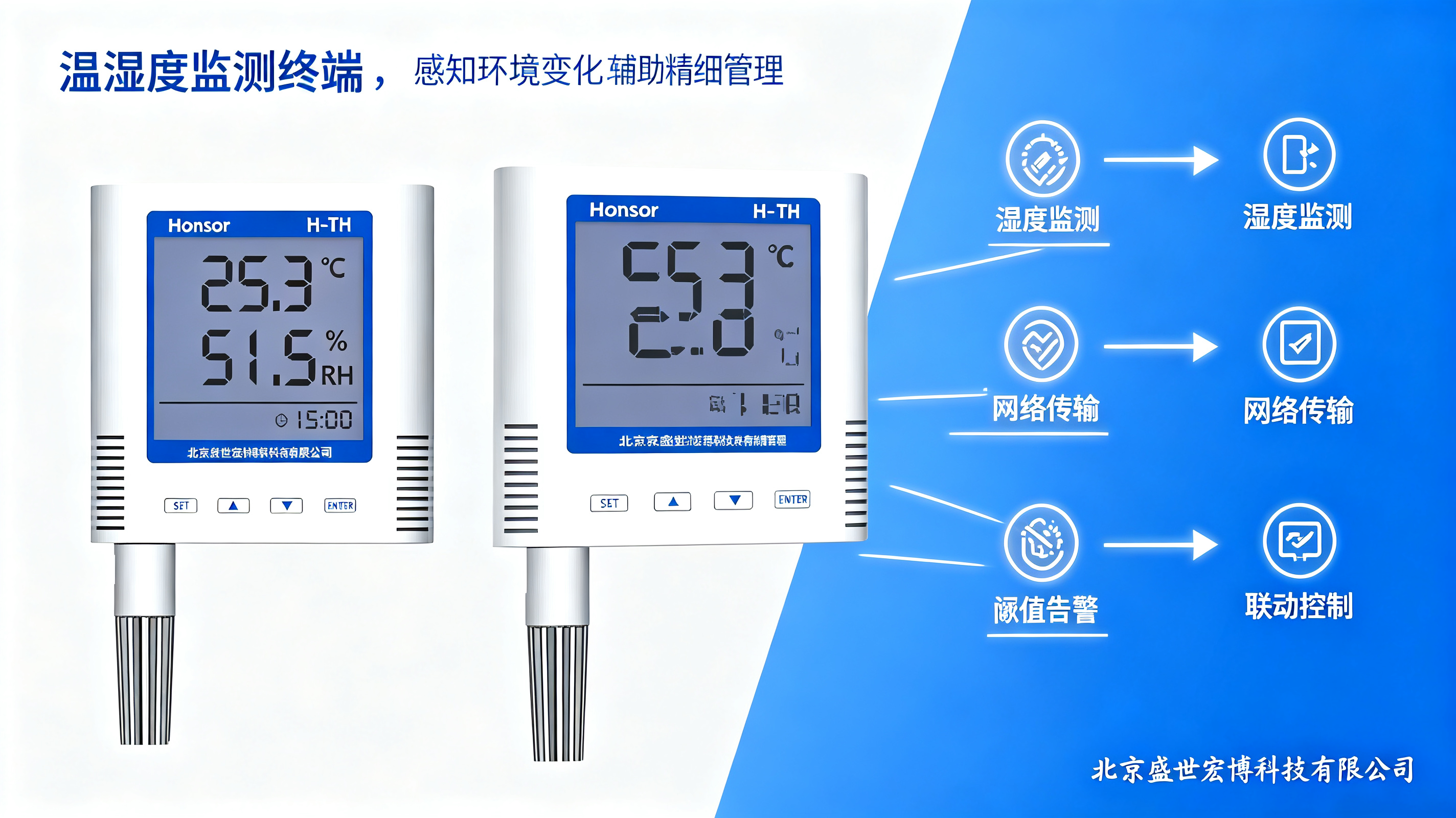
近期在调试一套工业环境监控系统时,遇到了关于 Modbus 连接保持的问题。现场部署了一批 恒湿净化设备(包括 @恒湿消毒净化一体机 等),主要用来维持特定环境的温湿度指标。在长时间运行后,发现设备偶尔会掉线。把 Modbus TCP、UDP 和 SNMP 做成"三协议并行"之后,问题从"单协议轮询瓶颈"变成了"三个协议栈如何在同一颗 MCU 里互不干扰、端口如何分配、报文如何抓、如何判"——这才是高并发机房监控里最硬的工程细节。
一、三协议并行的工程动机
先说清楚:这不是炫技,是物理层复用、传输层分工、应用层互补。
以太网温湿度变送器(W5500 / LAN8720 + STM32F407)
  ├── Modbus TCP Server(端口 502)
  │     用途:网关周期轮询,拉取全量寄存器
  │     特点:可靠、有序、有连接状态
  │     负载:温度、湿度、露点、状态、质量戳
  │
  ├── UDP Server(端口 9000,私有协议)
  │     用途:事件 Trap 推送、越限秒级上报
  │     特点:无连接、低开销、不等轮询
  │
  └── SNMP Agent(端口 161 UDP)
        用途:标准网管查询、Trap 推送(端口 162)
        特点:标准化 MIB、与 NMS 集成、读/写/通知
三协议各司其职:
协议 | 角色 | 数据特征 | 可靠性要求 |
|---|---|---|---|
Modbus TCP | 全量基线 | 周期性、结构化、多寄存器 | 高(必须读到) |
UDP 私有 | 事件快报 | 瞬时、小包、越限/故障 | 中(可丢,但尽量快) |
SNMP | 标准管理 | 标量、表、Trap | 中(Get 需响应,Trap 可丢) |
二、端口分配与共存架构
2.1 端口规划
变送器 IP: 10.10.10.15
  TCP 502   → Modbus TCP(RW,全量寄存器)
  UDP 161   → SNMP Agent(RO,标准 MIB)
  UDP 162   → SNMP Trap 发送(主动推送)
  UDP 9000  → 私有事件 Trap(越限/故障)
关键设计决策:
- Modbus TCP 独占 TCP 502:标准端口,所有网关/SCADA 默认连 502。
- SNMP 用标准 UDP 161:与网络管理系统(NMS)对接,走标准 MIB-II 和私有 MIB。
- 私有 UDP 用非标准端口 9000:避免与 SNMP 冲突,且可独立限速/过滤。
- SNMP Trap 发往 162:NMS 监听 162 接收 Trap。
2.2 MCU 侧资源分配
LWIP 协议栈资源(STM32F407 + 192KB RAM):
  TCP PCB: 2 个(Modbus TCP,限制连接数)
  UDP PCB: 4 个(SNMP 161、SNMP Trap 162、私有 UDP 9000、DNS)
  pbuf 池: 32 个 × 512 bytes(Modbus TCP 大帧 + SNMP 小帧 + UDP Trap)
为什么 UDP PCB 给 4 个?
- SNMP Get/Set 用 161,需要独立 PCB 监听
- SNMP Trap 发送用 162,需要独立 PCB(或复用 161 但目标端口不同)
- 私有 UDP 9000 独立 PCB,避免与 SNMP 互相阻塞
- DNS 客户端占 1 个(NTP 校时、固件升级检查)
三、报文结构对比:三种协议同台
用 Wireshark 抓同一台变送器(IP: 10.10.10.15)的三种报文,逐层对比。
3.1 MAC 层(完全相同)
Ethernet II
  Src: 00:08:dc:ab:cd:ef (W5500 MAC)
  Dst: 00:0c:29:11:22:33 (Gateway MAC)
  Type: 0x0800 (IPv4)
3.2 IP 层(Protocol 字段区分)
Internet Protocol Version 4
  Protocol: 6 (TCP) / 17 (UDP)    ← TCP 用于 Modbus,UDP 用于 SNMP 和私有协议
  Source: 10.10.10.15
  Destination: 10.10.10.100 (网关/NMS)
3.3 传输层对比
字段 | Modbus TCP (502) | SNMP (161) | 私有 UDP (9000) |
|---|---|---|---|
协议 | TCP | UDP | UDP |
头部 | 32 bytes (含 Options) | 8 bytes | 8 bytes |
连接 | 有 (SYN/ACK/FIN) | 无 | 无 |
可靠性 | 确认+重传 | 无 | 无 |
流量控制 | 滑动窗口 | 无 | 无 |
3.4 应用层数据
Modbus TCP(读 5 个输入寄存器):
MBAP Header:
  Transaction ID: 0x0001
  Protocol ID: 0x0000
  Length: 0x0006
  Unit ID: 0x01

PDU:
  Function Code: 0x04 (Read Input Registers)
  Starting Address: 0x0000
  Quantity: 0x0005

响应:
  Transaction ID: 0x0001
  Length: 0x000d
  Unit ID: 0x01
  Byte Count: 0x0a
  Registers: [0x00e2, 0x0216, 0x00c3, 0x0001, 0x0000]
SNMP GetRequest(读 sysDescr):
SNMPv2c
  Version: 2c
  Community: public
  PDU Type: GetRequest
  Request ID: 0x7a3f
  Error Status: 0 (noError)
  Error Index: 0
  VarBind List:
    sysDescr.0 (1.3.6.1.2.1.1.1.0)

响应:
  PDU Type: GetResponse
  sysDescr.0 = "EnvSensor-V2.1.3, STM32F407, LWIP-2.1.2"
私有 UDP Trap(越限事件):
Header (8 bytes):
  Magic: 0xAA55
  Version: 0x01
  Sensor ID: 0x00010023
  Payload Len: 0x0010

Payload:
  Timestamp: 0x5f3a_2c1b
  Temperature: 0x00e2 (22.6℃)
  Humidity: 0x0216 (53.4%RH)
  Dew Point: 0x00c3 (19.5℃)
  Alert Flags: 0x0001 (bit0=高温)
  CRC16: 0x8f4e
四、Wireshark 抓包实战:三协议同屏
4.1 抓包命令
# 在边缘网关上抓指定传感器的全协议流量
sudo tcpdump -i eth0 host 10.10.10.15 -w capture_3proto.pcap

# 或分协议抓
sudo tcpdump -i eth0 host 10.10.10.15 and port 502 -w modbus.pcap
sudo tcpdump -i eth0 host 10.10.10.15 and port 161 -w snmp.pcap
sudo tcpdump -i eth0 host 10.10.10.15 and port 9000 -w udp_trap.pcap
4.2 Wireshark 显示过滤器
# Modbus TCP 读请求
modbus.func_code == 4

# SNMP GetRequest
snmp.pdu_type == 0  # GetRequest

# SNMP Trap
snmp.pdu_type == 4  # Trap

# UDP 私有 Trap
udp.port == 9000 && data[0:2] == aa:55

# TCP 重传
tcp.analysis.retransmission

# TCP 零窗口
tcp.analysis.zero_window

# UDP 丢包(无直接标志,看 IO Graph 速率)
4.3 典型抓包场景
场景 1:正常三协议并行(时间轴)
No.  Time        Source          Destination     Protocol Info
1    0.000000    10.10.10.100   10.10.10.15     TCP      49152 → 502 [SYN]
2    0.000218    10.10.10.15    10.10.10.100    TCP      502 → 49152 [SYN, ACK]
3    0.000312    10.10.10.100   10.10.10.15     TCP      49152 → 502 [ACK]
4    0.000401    10.10.10.100   10.10.10.15     Modbus   Read Input Registers
5    0.000892    10.10.10.15    10.10.10.100    Modbus   Response
6    0.001234    10.10.10.100   10.10.10.15     TCP      49152 → 502 [FIN, ACK]
7    0.001456    10.10.10.15    10.10.10.100    TCP      502 → 49152 [FIN, ACK]
8    0.001523    10.10.10.100   10.10.10.15     TCP      49152 → 502 [ACK]

9    5.230000    10.10.10.100   10.10.10.15     SNMP     GetRequest sysDescr.0
10   5.230456    10.10.10.15    10.10.10.100    SNMP     GetResponse
11   5.230789    10.10.10.15    10.10.10.100    UDP      9000 → 9000 Trap (越限)

12   30.000000   10.10.10.15    10.10.10.100    SNMP     Trap (湿度越限)
场景 2:端口冲突导致 Modbus 连接被拒
No.  Time        Source          Destination     Protocol Info
15   30.500000   10.10.10.100   10.10.10.15     TCP      49153 → 502 [SYN]
16   30.500218   10.10.10.15    10.10.10.100    TCP      502 → 49153 [RST, ACK]
→ MCU TCP 连接池满(只有 2 个 PCB),被 SNMP/NMS 的 TCP 连接(如果有)或 Web 管理占用。
场景 3:SNMP 和私有 UDP 抢 pbuf
No.  Time        Source          Destination     Protocol Info
20   10.000000   10.10.10.100   10.10.10.15     SNMP     GetBulkRequest
21   10.000100   10.10.10.15    10.10.10.100    TCP      [ZeroWindow]
22   10.000200   10.10.10.15    10.10.10.100    UDP      9000 → 9000 Trap (丢失)
→ LWIP pbuf 池耗尽,Modbus TCP 响应发不出(ZeroWindow),私有 UDP Trap 被丢弃。
五、端口冲突的 5 种真实场景
场景 1:多主站抢 Modbus TCP 连接
症状:Modbus 间歇性 RST,SNMP 正常
原因:网关 A(新系统)+ 网关 B(旧 SCADA)+ Web 管理同时连 502
解决:限制 TCP PCB 数量,或旧系统改 RTU 轮询
场景 2:SNMP 和私有 UDP 共用 pbuf 池
症状:SNMP Get 超时,私有 UDP Trap 丢包
原因:LWIP pbuf 池满,两个 UDP 协议栈互相阻塞
解决:调大 pbuf 池,或 SNMP 和私有 UDP 用不同端口但共享 PCB(需固件支持)
场景 3:SNMP Trap 和私有 UDP Trap 同时触发
症状:两个 Trap 同时发,NMS 只收到一个
原因:MCU 发送队列满,后到的 Trap 被丢弃
解决:Trap 合并策略,或优先级排序(SNMP Trap 优先)
场景 4:交换机端口安全限制
症状:传感器 MAC 被交换机封锁
原因:端口安全策略限制 MAC 数量(1 个),但传感器可能有多个 IP?
解决:检查传感器是否有多个 IP 或 IPv6 链路本地地址
场景 5:防火墙/ACL 拦截
症状:Modbus 通,SNMP 不通
原因:交换机 ACL 只允许 502 端口,拦截 161/162
解决:调整 ACL 规则,放行 SNMP 端口
六、MCU 侧三协议共存设计
6.1 LWIP 配置
// lwipopts.h
#define LWIP_TCP               1
#define LWIP_UDP               1
#define MEMP_NUM_TCP_PCB       2       // Modbus TCP 连接数
#define MEMP_NUM_UDP_PCB       4       // SNMP + Trap + 私有 UDP + DNS
#define PBUF_POOL_SIZE         32      // 内存池
#define PBUF_POOL_BUFSIZE      512     // 每 pbuf 大小
#define TCP_WND                2048    // TCP 窗口
#define TCP_SND_BUF            2048
#define TCP_MSS                256
6.2 任务分离
// 三个独立任务,不同优先级
void modbus_tcp_task(void *arg) {
    // 处理 Modbus TCP 请求,优先级中
}

void snmp_task(void *arg) {
    // 处理 SNMP Get/Set,优先级低
}

void udp_trap_task(void *arg) {
    // 处理私有 UDP Trap,优先级高(事件驱动)
}
6.3 发送队列优先级
发送优先级(从高到低):
  1. UDP Trap(越限事件,最高优先)
  2. Modbus TCP 响应(已建立的连接)
  3. SNMP Trap(标准 Trap)
  4. SNMP GetResponse(可延迟)
  5. 私有 UDP 心跳(最低优先)
七、Python 侧三协议并发采集
import asyncio
from pymodbus.client import AsyncModbusTcpClient
from pysnmp.hlapi import *
import socket
import struct

# Modbus TCP 轮询
async def poll_modbus(ip, interval=30):
    client = AsyncModbusTcpClient(ip, port=502)
    await client.connect()
    while True:
        result = await client.read_input_registers(0, 5)
        if not result.isError():
            temp = result.registers[0] * 0.1
            hum = result.registers[1] * 0.1
            dew = result.registers[2] * 0.1
            print(f"Modbus: T={temp}, H={hum}, D={dew}")
        await asyncio.sleep(interval)

# SNMP 查询
async def poll_snmp(ip, interval=60):
    while True:
        for (errorIndication, errorStatus, errorIndex, varBinds) in getCmd(
            SnmpEngine(),
            CommunityData('public'),
            UdpTransportTarget((ip, 161)),
            ContextData(),
            ObjectType(ObjectIdentity('1.3.6.1.2.1.1.1.0'))
        ):
            if errorIndication:
                print(f"SNMP error: {errorIndication}")
            else:
                for varBind in varBinds:
                    print(f"SNMP: {varBind}")
        await asyncio.sleep(interval)

# UDP Trap 监听
async def udp_trap_listener(port=9000):
    loop = asyncio.get_running_loop()
    sock = socket.socket(socket.AF_INET, socket.SOCK_DGRAM)
    sock.bind(('0.0.0.0', port))
    sock.setblocking(False)
    while True:
        data, addr = await loop.sock_recvfrom(sock, 1024)
        frame = parse_udp_frame(data)
        if frame:
            print(f"UDP Trap from {addr}: {frame}")

async def main():
    tasks = [
        asyncio.create_task(poll_modbus('10.10.10.15')),
        asyncio.create_task(poll_snmp('10.10.10.15')),
        asyncio.create_task(udp_trap_listener(9000)),
    ]
    await asyncio.gather(*tasks)
八、InfluxDB 统一存储
# 三协议数据统一写入 InfluxDB
def write_to_influx(protocol, sensor_id, measurement, fields, tags=None, ts=None):
    point = build_line_protocol(
        sensor_id=sensor_id,
        measurement=measurement,
        tags={**(tags or {}), 'protocol': protocol},
        fields=fields,
        ts=ts or int(time.time() * 1e9)
    )
    await write_influx(point)

# Modbus TCP 数据
write_to_influx('modbus_tcp', 'th-001', 'environment', {
    'temperature': 22.6,
    'humidity': 53.4,
    'dew_point': 19.5,
})

# SNMP 数据
write_to_influx('snmp', 'th-001', 'environment', {
    'sys_uptime': 123456,
    'poe_voltage': 48.2,
})

# UDP Trap 数据
write_to_influx('udp_trap', 'th-001', 'alert_event', {
    'temperature': 22.8,
    'humidity': 65.2,
    'alert_flags': 1,
})
九、三协议并行的 5 个关键经验
- 端口规划先行:Modbus TCP 用 502,SNMP 用 161/162,私有 UDP 用非标准端口,避免冲突。
- 资源隔离:LWIP 的 pbuf 池、TCP PCB、UDP PCB 要按协议分配,避免互相抢占。
- 优先级明确:事件 Trap > Modbus 响应 > SNMP 响应 > 心跳。
- Wireshark 是眼睛:上线前抓包验证三协议并行,确认无 RST、无 ZeroWindow、无丢包。
- 统一存储:三协议数据统一写入 InfluxDB,按 protocol 标签区分,便于查询和分析。
十、一句话总结
Modbus TCP、UDP、SNMP 三协议并行,不是简单的"三个端口同时监听",而是物理层共享、传输层分工、应用层互补的工程平衡。 TCP 管全量可靠,UDP 管事件秒级,SNMP 管标准管理,Wireshark 验证,InfluxDB 统一存储,边缘网关做时间对齐和去重——这才是高并发机房监控里经得起生产考验的三协议架构。
物联网 #Modbus #TCP/IP #UDP #POE供电 #腾讯云 #Wireshark #Python #InfluxDB #以太网温湿度传感器 #网口温湿度变送器 #机房监控
下一篇候选:
- 《LWIP 协议栈调优实战:pbuf 池大小、TCP 窗口与 UDP 缓冲区在三协议并行中的参数配置》
- 《SNMP MIB 设计:温湿度变送器的私有 MIB 定义与 NMS 集成实践》
- 《三协议并存时的网络安全:从交换机 ACL 到 IoT Explorer 设备认证的防护体系》
敬请关注!
原创声明:本文系作者授权腾讯云开发者社区发表,未经许可,不得转载。
如有侵权,请联系 cloudcommunity@tencent.com 删除。
目录
腾讯云开发者

Copyright © 2013 - 2026 Tencent Cloud. All Rights Reserved. 腾讯云 版权所有
深圳市腾讯计算机系统有限公司 ICP备案/许可证号:粤B2-20090059  粤公网安备44030502008569号
腾讯云计算(北京)有限责任公司 京ICP证150476号 | 京ICP备11018762号