数据结构——栈和队列


栈
栈的基本知识
栈的定义
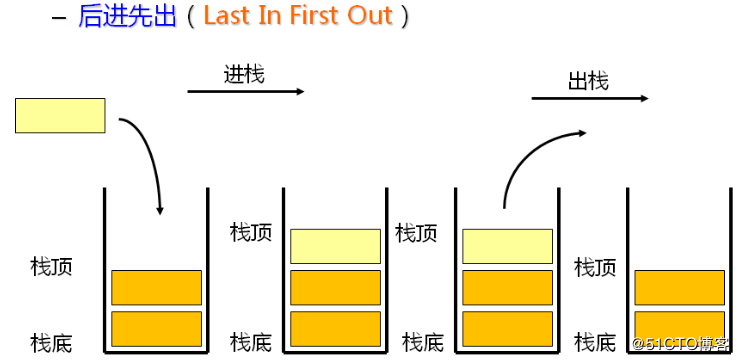
栈(Stack)是一种遵循后进先出(Last In First Out,LIFO)原则的数据结构。它的操作主要限制在数据结构的一端,称为栈顶(Top)。
压栈:栈的插入操作叫进栈\压栈\入栈,入数据在栈顶 出栈:栈的删除操作叫做出栈,出数据也在栈顶
基本特点
- 后进先出:最后添加到栈中的元素将是第一个被移除的元素。
- 限制性访问:只能在栈顶进行添加和删除操作。
- 动态大小:虽然传统的栈有固定大小,但现代编程语言通常提供动态栈,其大小可以随着元素的添加和移除而变化。
基本操作
- Push:向栈顶添加一个新元素,使其成为新的栈顶。
- Pop:移除栈顶元素,并返回它的值。
- Peek/Top:查看栈顶元素的值,但不从栈中移除它。
- IsEmpty:检查栈是否为空,即没有任何元素。
- Size:获取栈中元素的数量。
适用场景
- 栈常用于管理函数调用的上下文,如递归调用和返回地址。
- 用于表达式求值,如算术表达式和逆波兰表达式。
- 用于回溯算法,如迷宫求解、图搜索等。
- 用于撤销操作(Undo操作)和恢复操作(Redo操作)。
- 用于括号匹配和语法分析。
栈的实现
- 数组实现:使用数组来存储栈的元素,并通过一个索引来追踪栈顶的位置。
- 链表实现:使用链表实现栈,允许在不需要移动其他元素的情况下动态地添加和删除元素。
相对而言数组的结构实现更优一些。因为数组在尾上插入数据的代价比较小,而链表尾插每次都需要申请空间创建新的节点。
下面我们就用数组实现个动态栈。
定义
typedef int STDataType;

typedef struct Stack
{
	STDataType* arr;
	int top;         //堆顶
	int capacity;    //容量(能容纳数据个数的最大数量)
}ST;
各个接口的实现
初始化
//初始化
void STInit(ST* pst)
{
	assert(pst);

	pst->arr = NULL;

	//指向栈顶数据的下一个位置
	pst->capacity = pst->top = 0;

	//指向栈顶数据
	//pst->top = -1
}
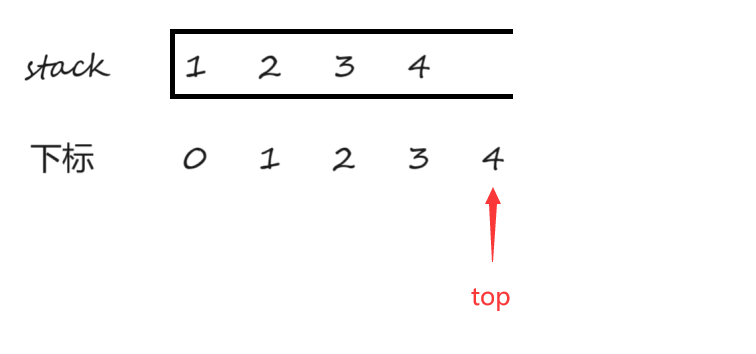
注意这里的top的指向,是指向堆顶数据的下一个位置,所以top也可以代表栈的数据个数。
入栈
//入栈
void STPush(ST* pst, STDataType x)
{
	assert(pst);

	//扩容
	if (pst->capacity == pst->top)
	{
		int newcapacity = (pst->capacity == 0) ? 4  : 2 * pst->capacity;
		STDataType* tep = (STDataType*)realloc(pst->arr, newcapacity * sizeof(STDataType));
		if (tep == NULL)
		{
			perror("realloc");
			return;
		}
		pst->arr = tep;
		pst->capacity = newcapacity;
	}

	pst->arr[pst->top] = x;
	pst->top++;

}
这里的扩容需要注意,当pst->capacity == pst->top时,说明栈空间已经满了,需要扩容,一般是扩容2倍。
详细解释可以看数据结构——顺序表-CSDN博客中CheckCapacity函数的解释。
解决完扩容问题后,直接再top位置插入数据,并更新top就可以了。
出栈
移除栈顶元素,只需让top减减就行了。
注意判断栈不为空(top > 0)就可以了。
// 出栈
void STPop(ST* pst)
{
	assert(pst);
	assert(pst->top > 0);

	pst->top--;
}
取栈顶数据
top指向栈顶数据的下一位置,返回top-1的数据就行了。
还是要注意栈不为空。
//取栈顶数据
STDataType STTop(ST* pst)
{
	assert(pst);
	assert(pst->top > 0);

	return pst->arr[pst->top - 1];
}
判空
看的是数据个数为不为0(top == 0),不是看容量(capacity)
//判空 看的是数据个数为不为0,不是看容量
bool STEmpty(ST* pst)
{
	assert(pst);

	return (pst->top == 0);
}
获取栈的数据个数
top就是栈的数据个数,返回就好了。
//获取数据个数
int STSize(ST* pst)
{
	assert(pst);

	return (pst->top);
}
销毁栈
用free释放掉申请的空间,然后把top和capacity置0就行了。
//销毁
void STDestroy(ST* pst)
{
	assert(pst);

	free(pst->arr);
	pst->arr = NULL;

	pst->capacity = pst->top = 0;
}
队列
队列的基本知识
队列的定义
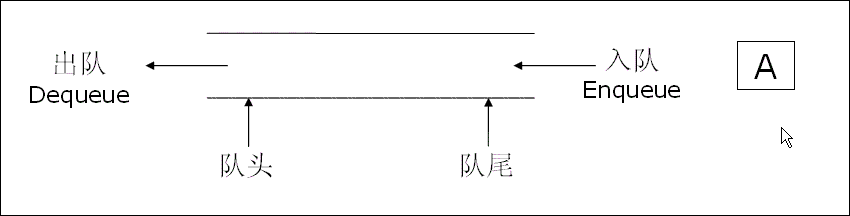
队列(Queue)是一种遵循先进先出(First In First Out,FIFO)原则的线性数据结构。它在一端添加元素,在另一端移除元素。
基本特点
- 先进先出:最先添加到队列中的元素将是第一个被移除的元素。
- 两端操作:队列允许在一端(队尾)添加元素,在另一端(队首)移除元素。
- 有序性:元素保持它们被添加的顺序。
基本操作
- Enqueue:在队尾添加一个新元素。
- Dequeue:移除队首的元素,并返回它的值。
- Peek/Front:查看队首元素的值,但不从队列中移除它。
- IsEmpty:检查队列是否为空。
- Size:获取队列中元素的数量。
适用场景
- 任务调度,如打印机任务队列。
- 缓冲区管理,如视频播放器的缓冲。
- 广度优先搜索(BFS)算法中管理待访问的节点。
- 模拟现实世界中的排队行为,如超市结账队伍。
队列的实现
- 数组实现:使用数组来存储队列的元素,需要两个指针或索引来分别追踪队首和队尾。
- 链表实现:使用链表来实现队列,允许在队尾添加和在队首删除元素,而不需要移动其他元素。
- 循环数组:使用固定大小的数组并通过模运算来实现队列的循环,避免在数组末尾重新分配空间。
队列的实现使用链表结构比较好,因为涉及到头插头删,使用数组有数据挪动,效率较为低下。
下面我们就用链表去实现队列。
定义
队列的节点和队列结构
typedef int QDataType;

typedef struct QueueNode
{
	struct QueueNode* next;
	QDataType val;
}QNode;

typedef struct Queue
{
	QNode* phead;    //队列的头节点
	QNode* ptail;    //队列的尾节点
	int size;        //队列的数据个数
}Queue;
各个接口的实现
初始化
把phead和ptail置空,size置0即可。
void QueueInit(Queue* pq)
{
	assert(pq);
	pq->phead = pq->ptail = NULL;
	pq->size = 0;
}
插入数据到队尾(入队列)
创建一个新节点,然后尾插就行。
注意判断队列为空的情况就可以了。
// 队尾插入
void QueuePush(Queue* pq, QDataType x)
{
	assert(pq);

	//创建一个新节点,赋值x
	QNode* newnode = (QNode*)malloc(sizeof(QNode));
	if (newnode == NULL)
	{
		perror("malloc fail");
		return;
	}
	newnode->next = NULL;
	newnode->val = x;

	//判断链表为空的情况
	if (pq->phead == NULL)
	{
		pq->phead = pq->ptail = newnode;
	}
	else
	{
		pq->ptail->next = newnode;
		pq->ptail = newnode;
	}

	//更新size
	pq->size++;
}
删除队头的元素(出队列)
删除队列头节点,跟链表的删除基本一模一样。
注意判断队列元素不为0,以及元素个数为1的情况。
// 队头删除
void QueuePop(Queue* pq)
{
	assert(pq);
	assert(pq->size != 0);

	//判断是不是一个节点,特殊处理
	if (pq->size == 1)
	{
		free(pq->phead);
		pq->phead = pq->ptail = NULL;
	}
	else
	{
		QNode* next = pq->phead->next;
		free(pq->phead);
		pq->phead = next;
	}

	//更新size
	pq->size--;
}
取队头队尾的数据
QDataType QueueFront(Queue* pq)
{
	assert(pq);
	assert(pq->phead);

	return pq->phead->val;
}

QDataType QueueBack(Queue* pq)
{
	assert(pq);
	assert(pq->ptail);

	return pq->ptail->val;
}
队列数据个数
int QueueSize(Queue* pq)
{
	assert(pq);

	return pq->size;
}
队列的判空
判断队列的数据个数为不为0就行了,或者判断phead为不为空也可以。
bool QueueEmpty(Queue* pq)
{
	assert(pq);

	return pq->size == 0;
}
销毁队列
遍历队列,逐个销毁
void QueueDestroy(Queue* pq)
{
	assert(pq);

	QNode* cur = pq->phead;
	while (cur)
	{
		QNode* del = cur;
		cur = cur->next;
		free(del);
	}

	pq->phead = pq->ptail = NULL;
	pq->size = 0;
}
拜拜,下期再见😏
摸鱼ing😴✨🎞

本文参与 腾讯云自媒体同步曝光计划,分享自作者个人站点/博客。
原始发表:2024-11-25,如有侵权请联系 cloudcommunity@tencent.com 删除
评论
登录后参与评论
推荐阅读
目录
腾讯云开发者

Copyright © 2013 - 2026 Tencent Cloud. All Rights Reserved. 腾讯云 版权所有
深圳市腾讯计算机系统有限公司 ICP备案/许可证号:粤B2-20090059  粤公网安备44030502008569号
腾讯云计算(北京)有限责任公司 京ICP证150476号 | 京ICP备11018762号